

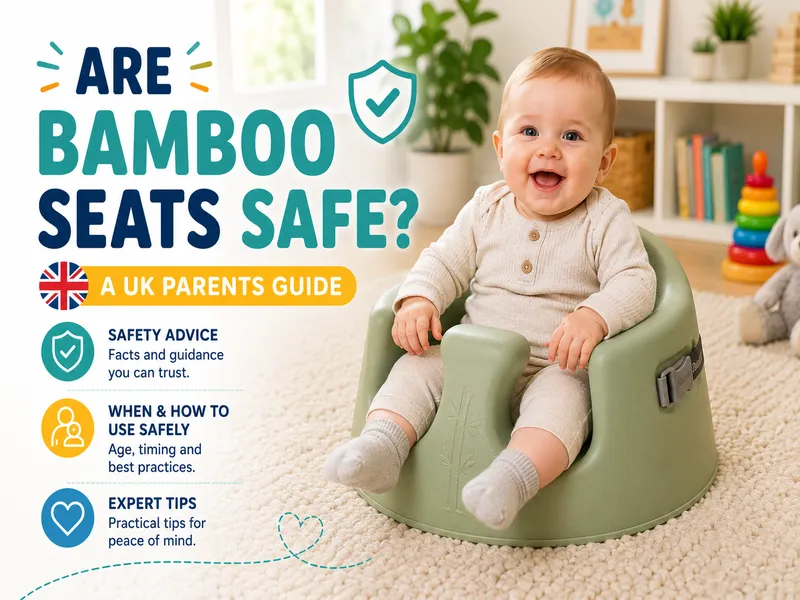
Quick answer: What this guide will do for you
Wondering if a Bumbo seat is safe for your baby? This guide gives you a clear, practical answer tailored to the UK, without dense reports. You’ll get a simple explanation of what a Bumbo seat is and how parents commonly use it.
Next, we outline the main safety concerns you should know — falls, posture issues and suffocation risks — and explain how UK safety rules, marks and recalls work. Then you’ll find practical, UK-focused tips for safer use if you choose to keep one, plus guidance on safer alternatives and where to buy them from John Lewis, Argos or independent baby shops. Jump to the sections you need right now.
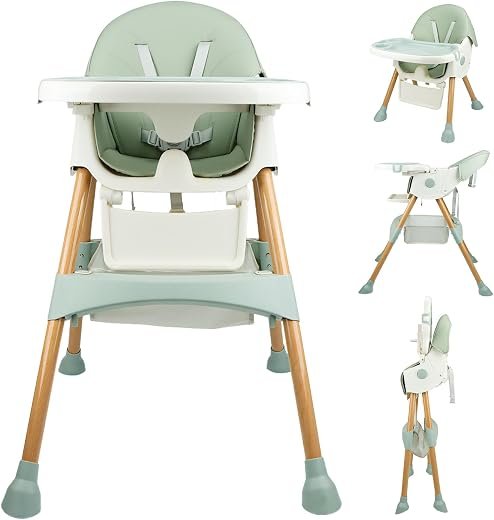
Safe Use of the Bumbo Baby Seat: Essential Tips
What a Bumbo seat is and how parents typically use it
What it is — plain and simple
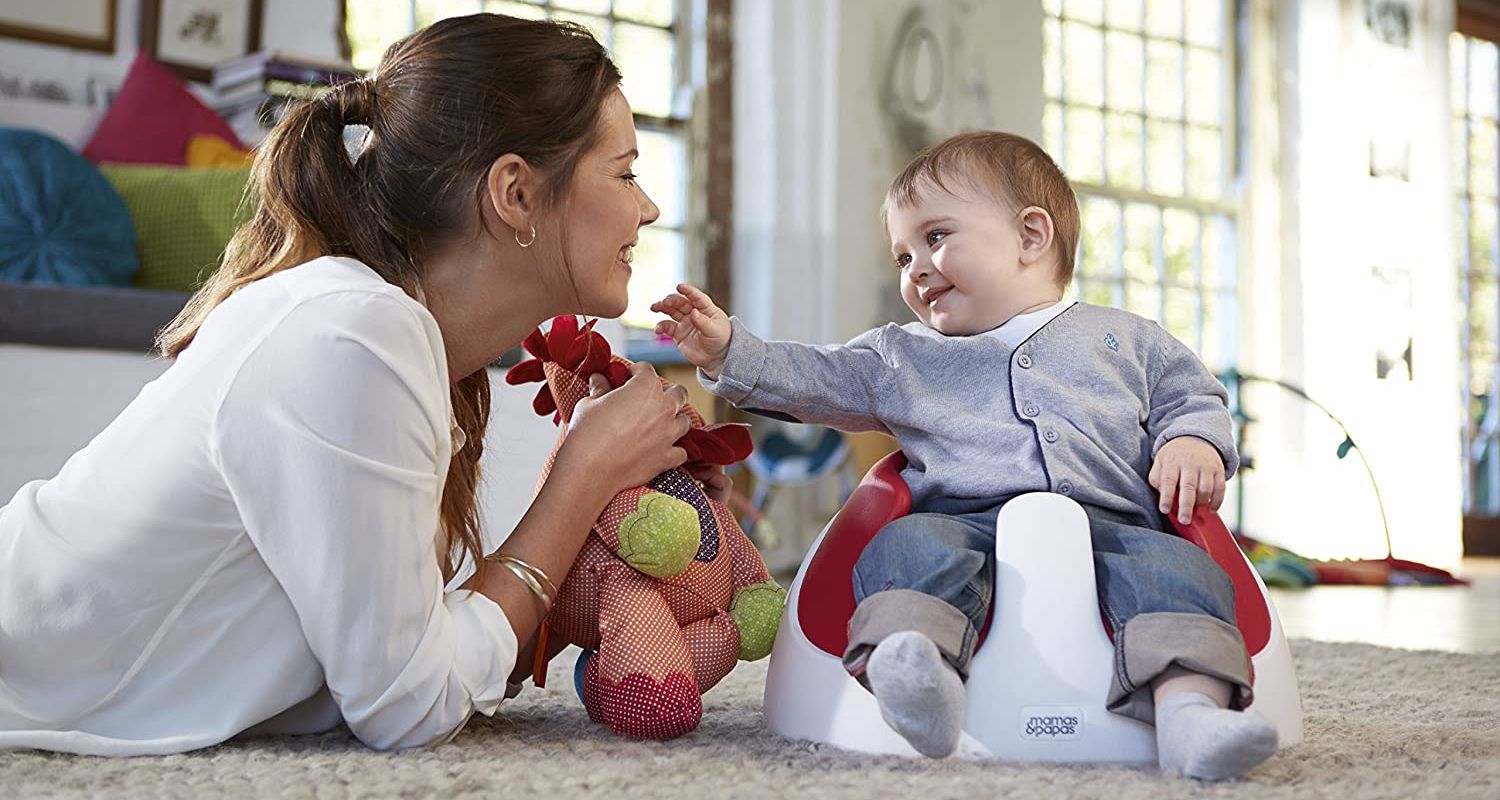
A Bumbo-style seat is a low, molded foam or plastic seat with a deep bucket shape that helps babies sit upright. It’s designed to support a little one’s back and hips while they practise sitting, usually before they can sit unaided for long. Most manufacturers expect you to use these once your baby can hold their head steady — commonly around 3–6 months — and stop when they can push up, try to climb out, or reach about 9–12 kg. Always check the specific age and weight guidance on the product you buy.
Typical ways you’ll see them used in UK homes
You’ll spot these in all kinds of everyday situations:
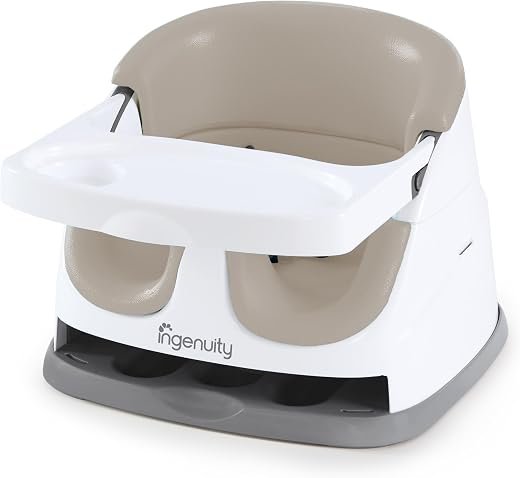
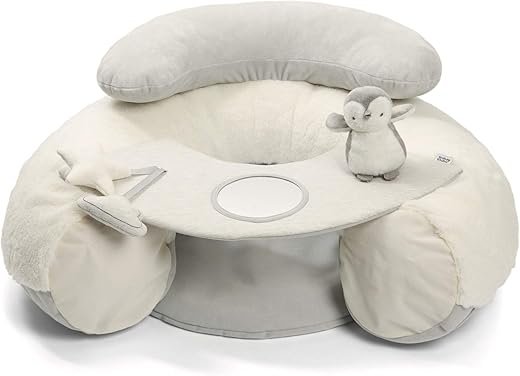
Retailers across the UK sell Bumbo-style seats and variations: John Lewis, Argos, Boots, IKEA, specialist baby shops and marketplaces such as Amazon UK. There are several models on offer:
Common misuses to watch for
You’ll often spot risky habits in real homes. For example, parents sometimes:
Quick practical tip: always place the seat on the floor, use the harness if included, and keep it for short supervised sessions only — the next sections explain safer alternatives and checks to make before buying.
Main safety concerns: falls, posture and suffocation risks you should know
Falls and tipping — the biggest, most obvious danger
The single most common risk is a fall. If you put a Bumbo-style seat on a sofa, coffee table, kitchen worktop or even a raised chair, it can tip or slide in an instant. Babies have unpredictable movements — a sudden reach for a toy or a wriggle can send the seat over an edge. Even a short drop can cause a serious head injury for a small baby. Picture this: you pop the seat on the kitchen island while you nudge a pan, turn for a second, and the seat scoots. That’s the kind of everyday scenario that leads to emergency trips to A&E.
Slumped posture — breathing and hip-positioning concerns
These seats are shaped to cradle a baby, which is helpful for short supervised practice sitting. Used too early or for too long, though, the bucket shape can encourage a rounded, slumped posture. That can:
If your baby still needs head support or instantly relaxes into a floppy position in the seat, they’re probably not ready for long sessions.
Suffocation and entrapment risks — what to watch for
Suffocation risk in these seats is low when used correctly, but it can arise if a baby’s chin falls to chest (compromising airways) or if loose bedding/toys are left in the bucket. Never use the seat for sleep — even a short nod-off in a slumped position can be hazardous.
What UK parents see in warnings and reports
In the UK you’ll come across product warnings, manufacturer notices and Trading Standards advice reminding you of the same points: keep the seat on the floor, use restraints if provided, never leave your child unattended, and don’t use it for sleeping. Shops and marketplaces (John Lewis, Argos, Amazon UK) will often include these safety notes on product pages and labels. You may also spot product safety alerts or recalls — those are the systems designed to catch issues early.
Quick, practical takeaways
Next up: how UK safety rules, marks and recalls shape what’s sold here — and what checks you should do before you buy.
UK safety rules, marks and the role of recalls and standards
Marks and compliance — what to look for
In the UK you should expect clear evidence that a baby seat meets current safety rules. For products sold in Great Britain look for the UKCA mark; in Northern Ireland you’ll still commonly see the CE mark. These marks tell you the maker claims the item meets legal safety requirements. They’re usually on the underside, the label, or in the instruction booklet — so check all three before you buy.
Also look for:
Manufacturers will sometimes state compliance with specific European standards (look for “EN” numbers) — that’s useful context, but the UKCA/CE mark is the quick check you can do at a glance.
Who enforces safety — and where to check
Several UK organisations shape what you should expect from a product and what happens when something goes wrong:
What a recall or safety notice means — and what to do
A recall means the maker or regulator has identified a safety problem. Practical steps you can take:
These checks take minutes and can prevent a lot of worry — always register new products with the manufacturer so they can contact you directly if a safety notice appears.
How to use a Bumbo seat safely: practical, UK-focused tips
Firm rules you should always follow
Always treat a floor seat as a short‑use, floor‑only aid. Never place it on a raised surface.
Always use the harness (or lap belt) supplied.
Keep sessions short — think 10–15 minutes, not hours.
Supervise your baby at all times; even a quick distraction can lead to a tumble.
Quick pre-use checks (do these every time)
UK‑home tips: surfaces, rugs and cafés
In UK homes you’ll often move seats between carpet, wood floors and rugs — be careful:
Age and ability cues (not just age)
Use ability, not a birthday, as your guide. Put your baby in the seat only once they:
Watch posture and breathing:
Day‑to‑day care and when to stop
Choosing a safer option and where to buy in the UK
Practical buying checklist
Before you buy new or secondhand, run through this quick checklist so you know you’re getting a safe, serviceable product:
Alternatives compared — when each makes sense
IKEA basic high chairs (e.g., the ANTILOP-style simple designs)
Booster seats / clip-on boosters
Multi-stage seats from John Lewis, Mamas & Papas, Joie, Nuna
Choose a Bumbo only if it matches short, supervised use on the floor and you’re happy to live with limited longevity. For regular mealtimes, a stable high chair or multi-stage seat is often the safer, more practical pick.
Where to buy safely in the UK
Buy from established national retailers with clear returns and warranties: John Lewis, Argos, Boots. Specialist baby stores and reputable online retailers (not anonymous sellers) usually offer better after‑sales support. Amazon and eBay can be fine if the seller has strong ratings and returns, but check who’s selling and that the item is new and compliant.
Buying secondhand — what to check
Read UK reviews for real-world use, check Trading Standards or the manufacturer’s site for recalls, and keep receipts so you can use warranties or returns if the product isn’t right for your family.
Next, the Conclusion pulls this into a simple bottom line for UK parents.
Bottom line for UK parents: safe use matters more than panic
Bumbo seats can be used safely if you follow simple rules: floor-only use, always buckle the harness, and never leave your baby unattended. Check for UK safety marks (BS EN), register the product with the manufacturer, and look up recalls before buying — whether new from John Lewis, Argos or Amazon UK, or secondhand on eBay.
If you’re worried about posture or breathing, speak to your health visitor or consult NHS guidance. If you’re uncomfortable with the remaining risks, choose an alternative seat — better safe than sorry today.


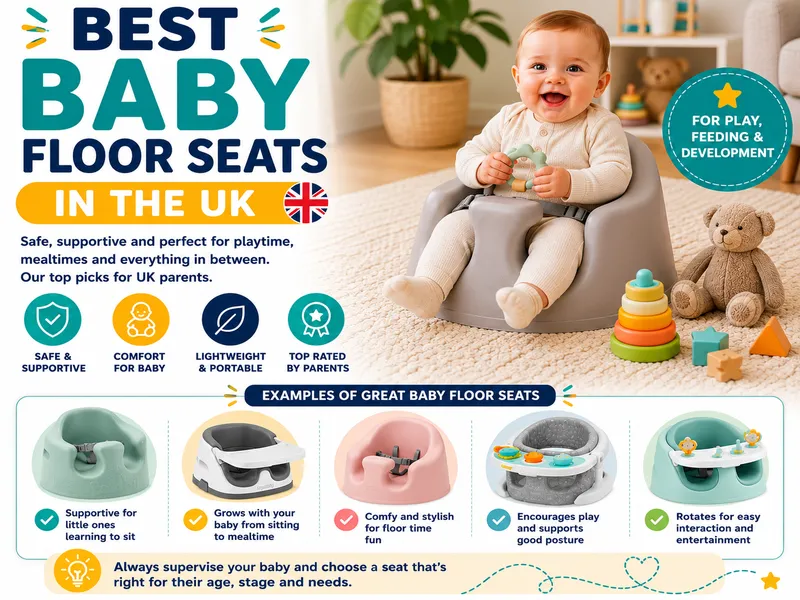
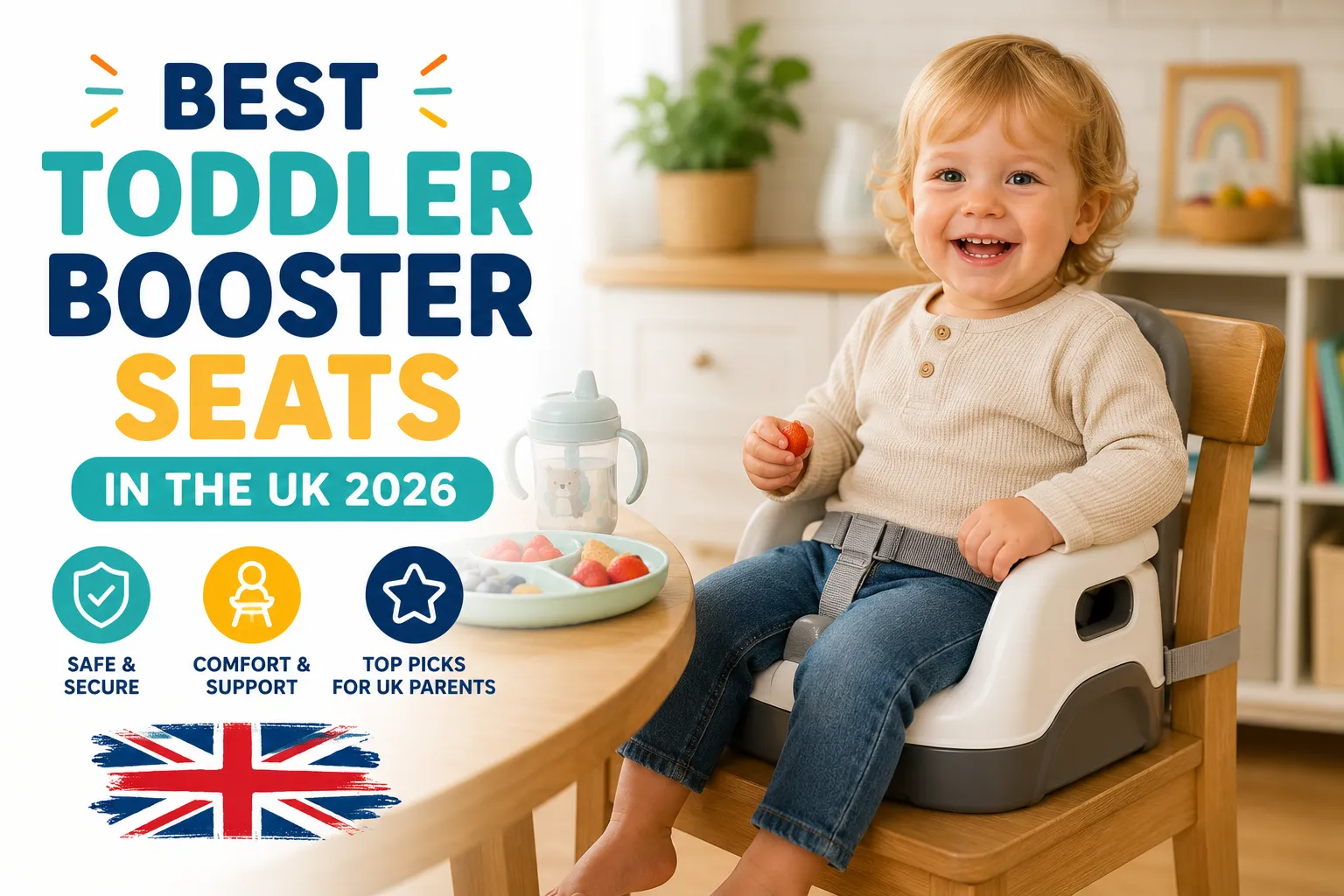
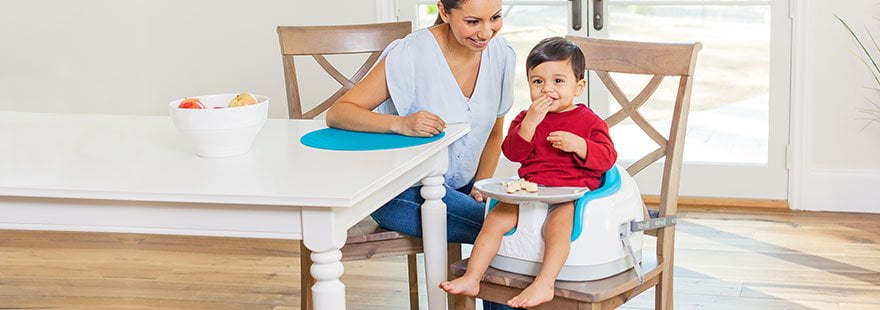

Really appreciate the clear safety breakdown. I do a quick checklist before using any seat now:
1) Is baby supervised? ✅
2) Is the seat on the floor and away from steps? ✅
3) Is the harness fitted snugly? ✅
4) Any signs of recall or missing labels? ✅
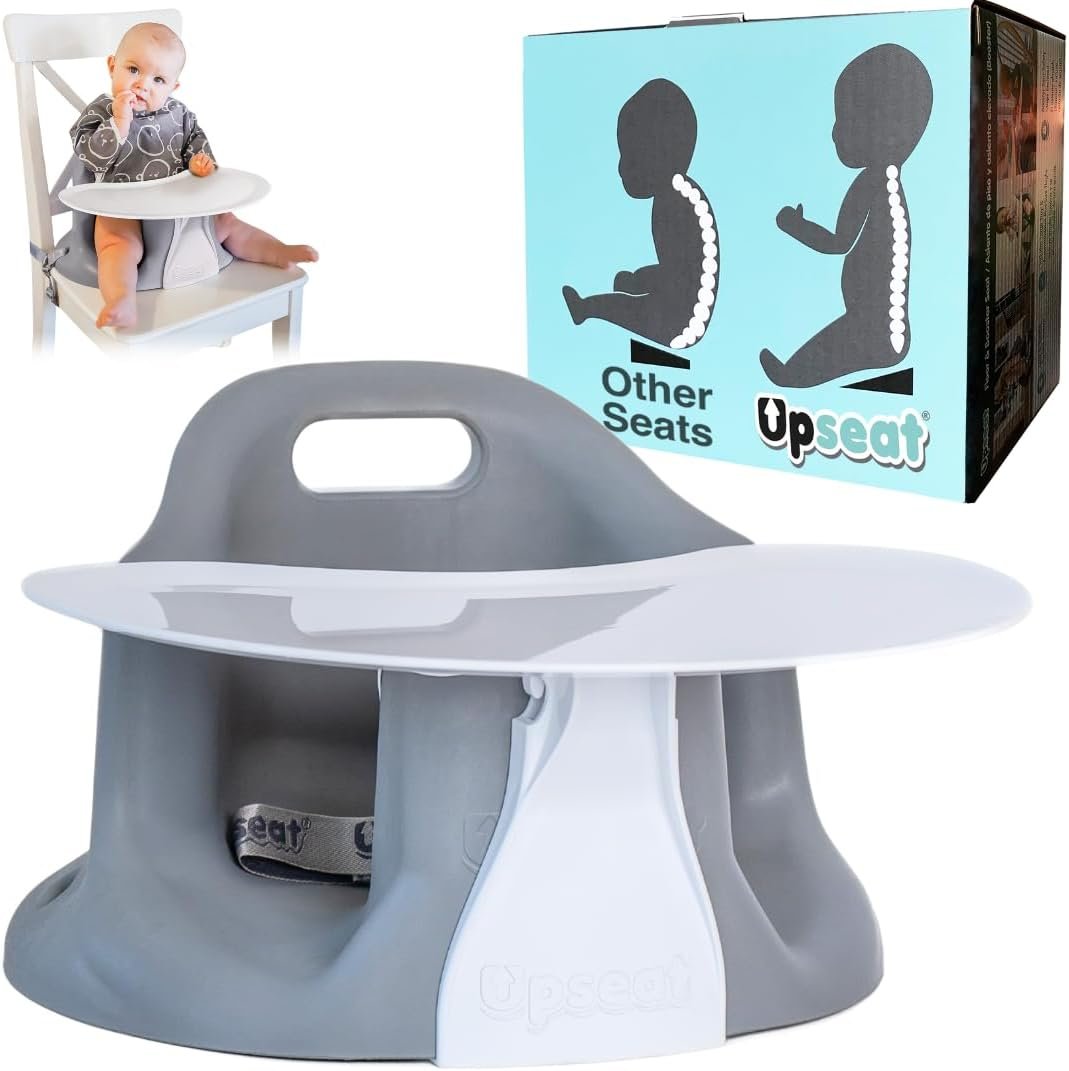
Also, posture matters — my little one slouched in a cheap seat so we upgraded to something with better back support (the Upseat Baby Floor Booster Seat with Tray has been kinder to his spine). Great that the guide explained posture + suffocation risk separate from falls — they’re often lumped together but need different fixes.
Fantastic checklist, Priya. That kind of practical list is exactly what we hoped readers would take away.
Also worth noting: different models have different harness systems. Some are tri-point, some five-point — five-point tends to be safer for toddlers who wiggle a lot.
Upseat is a great shout. More supportive and the tray is proper useful for messy meals.
Totally agree about harnesses. My little escape artist was out of the tri-point in no time, five-point was a game changer.
Thanks for the checklist — bookmarking this. I never thought about checking labels for recalls, doh.
My son slouched too — physio recommended a firmer back rest. Worth checking with your health visitor if you’re unsure.
Personal experience: we used a Bumbo for short, supervised sessions and then moved to an Adjustable Foldable High Chair with Double Tray for mealtimes — big difference. The high chair is sturdier and easier to clean, plus I found it in a Mothercare clearance store in the UK.
If you’re on the fence, try something low-risk first (floor seats) and avoid putting any seat on countertops or raised surfaces. Also worth checking secondhand carefully — no missing straps or cracks!
I snagged an Adjustable Foldable one from a local sale. For travelling it’s a godsend. Just checked the joints before buying used.
Thanks for sharing, Zoe — real-world experiences like this help other parents make practical choices. Good tip about checking secondhand for straps and cracks.
One last reminder: if anyone buys used, check for recalls by model number — sometimes a recall affects specific batches, not the whole product line.
Mothercare clearance is a steal sometimes. Didn’t think to look there — thanks!
Agree on avoiding raised surfaces. My cousin’s little one nearly tipped off a table once — scary!
Where’s the best place in the UK to buy the Adjustable Foldable High Chair with Double Tray? Amazon has it but curious if any baby shops recommend trying in person first.
I prefer testing build quality before buying.
I found the recall bit worrying. Are UK retailers even checking for EU/UK CA marks now? Seems like a lot of parents don’t know what to look for.
Also — why are some places still selling older models? That should be clearer at point of sale.
Retailers can be hit-or-miss. I always ask customer service for the model number and then check online. It’s a pain but worth it.
Good point, Tom. UK shops should flag recalled models and show current standards info. We included links to gov.uk recall pages and advice for checking the product label — always ask the retailer or check the manufacturer’s site before buying.