

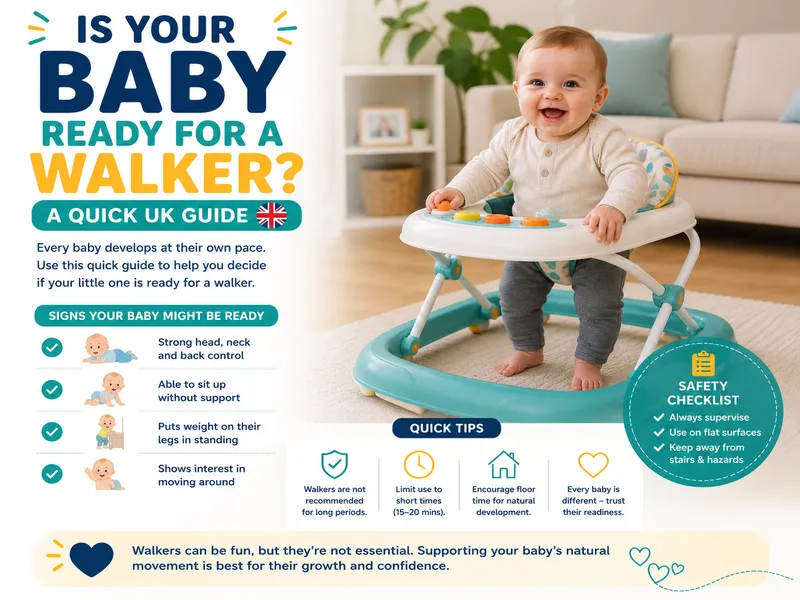
Quick reality check: is a walker right for your baby?
You want the best for your little one and a baby walker might seem like a fun, handy way to help them move about. This short UK guide covers the main types sold here — push-along frames, seated activity walkers and sit-in push walkers — and where parents commonly buy them (John Lewis, Argos, Amazon UK, Mothercare).
You’ll get simple checks for developmental readiness, the safety and legal advice UK bodies recommend, practical buying tips for UK parents, safer alternatives and clear steps to introduce a walker responsibly if you choose one. It’s concise, UK-focused and written so you can skip quickly to what matters for you. Read the sections that apply.
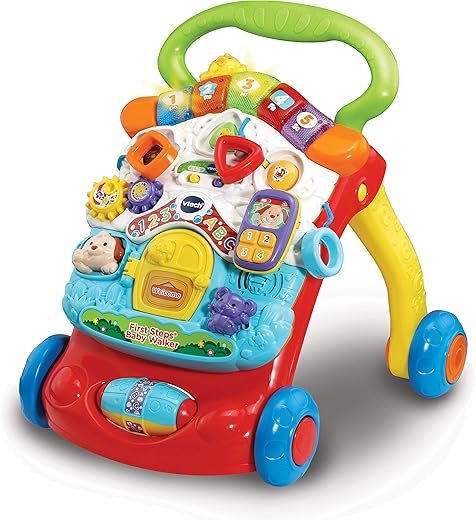
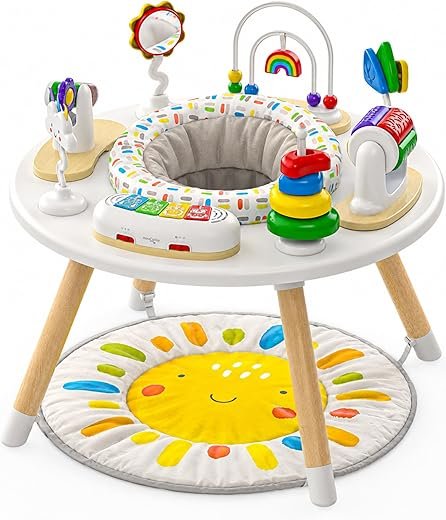
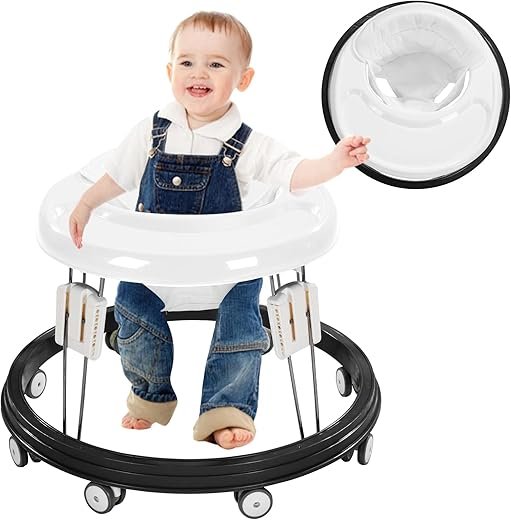
Is Your Baby Ready to Walk? Try the Multifunctional Baby Walker
Know the different types and what people in the UK actually buy
The main categories you’ll see
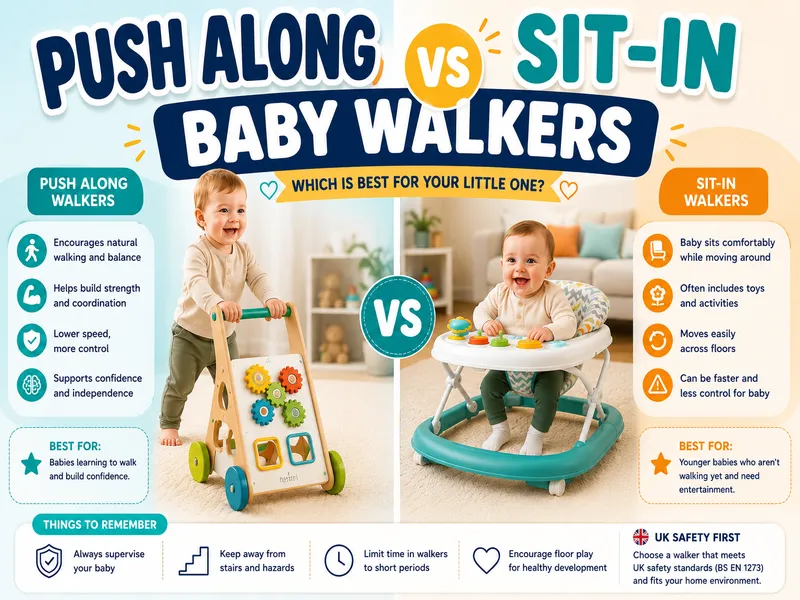
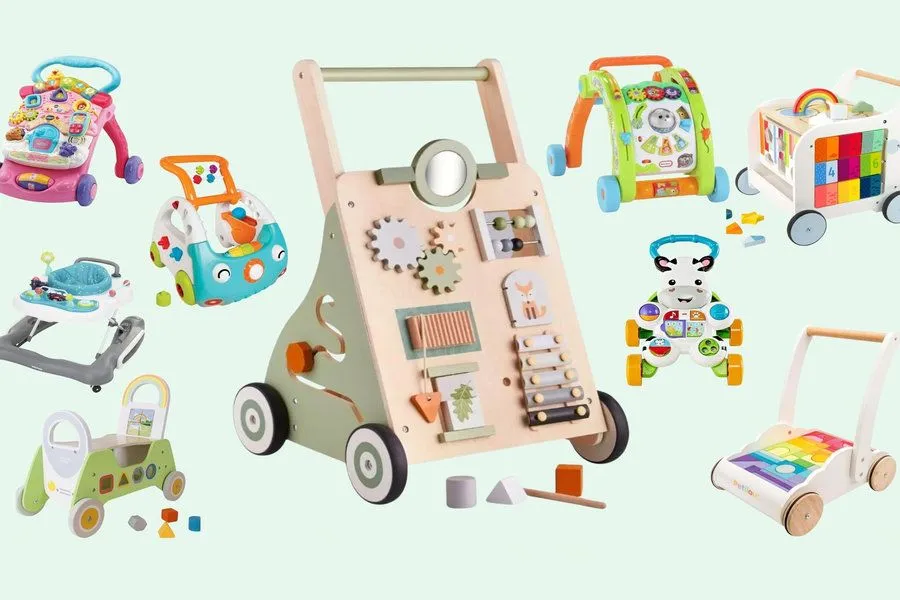
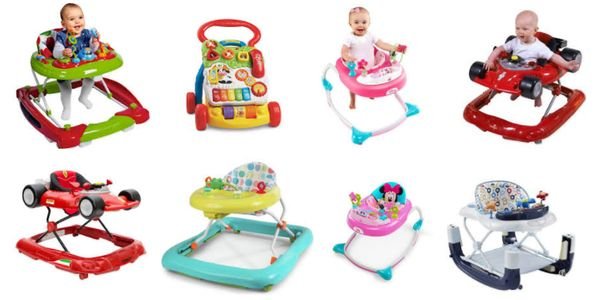
Before you shop, spot the four common types on Argos, John Lewis, Smyths and Amazon UK:
Typical features UK retailers highlight
Look for adjustable heights, removable activity trays for cleaning, wheel locks or brakes, non‑slip feet for pushers, and washable fabric. Retail listings often mention “folds flat” for storage, weight limits and “suitable from X months.”
Why many UK parents choose pushers or stationary options
Pushers and exersaucers are popular because they encourage upright balance and active leg use without letting a baby zoom into hazards. Many parents report fewer trips to the coffee table with a push walker compared with sit‑in wheeled models, which can speed up movement before a baby has good balance.
What to read in product descriptions and reviews
When comparing listings, check these quick points:
Next you’ll want to match your baby’s development and your home layout — carpeted rooms behave very differently to laminate floors, so read reviews that mention your floor type.
How to tell if your baby is developmentally ready
What to watch for (not just the month on the box)
Rather than relying on an age printed on packaging, check for observable skills. Common milestones that show your baby may cope with a walker or push‑along are:
Simple at‑home checks you can try
Try these quick, safe checks to see how your baby manages:
These are quick real‑world tests — I’ve seen parents in Manchester swap a flashy sit‑in wheeled walker for a wooden pusher after noticing their baby could push but couldn’t sit stably in a seat.
When to ask a professional
If you’re unsure or your baby seems delayed (not sitting or bearing weight within the typical ranges), contact your NHS health visitor or GP. They’re set up to assess development, offer local advice, and can point you to clinics or physiotherapy if needed. Bring notes or a short video of your baby moving — it helps the health visitor give tailored guidance.
Safety guidance: what UK health and safety bodies recommend
What NHS, RoSPA and CAPT say
The NHS and injury‑prevention bodies in the UK (for example RoSPA and the Child Accident Prevention Trust) all stress one thing: safety comes first. They warn that sit‑in wheeled walkers increase the risk of falls — especially down stairs — and give babies easier access to hot drinks, radiators and sharp edges. The common advice is supervised, time‑limited use if you choose one at all, or better still, choose non‑wheeled alternatives.
Main risks you should know
Practical baby‑proofing steps for UK homes
When to avoid a walker
Avoid sit‑in wheeled walkers if you have stairs you can’t fully isolate, lots of low hot surfaces, or if your baby can’t sit steadily or bear weight through their legs. Also steer clear if a health visitor or physiotherapist advises against it.
Supervision and timing
If you do use a walker, keep sessions short (10–15 minutes), stay within arm’s reach, and never leave your baby unattended. These safety basics lead neatly into practical buying advice — what to look for (and avoid) when you shop in the UK.
Practical buying advice for UK parents
What to check in the product listing
Before you tap “buy”, scan the listing for clear safety information: compliance with EN standards (look for EN 1273 or relevant child product standards), explicit age/weight ranges, and any warnings about stairs or supervision. Check the returns policy — John Lewis and Marks & Spencer tend to offer longer, more flexible returns than some discount sellers — and confirm shipping times if you need it for a specific date (grandparents’ weekend, for example).
Where to shop in the UK
Look at both high‑street and online retailers so you can compare price, service and reviews: Argos, John Lewis, Smyths, Boots and Amazon UK are all commonly used by parents. Try a local baby shop too — you can often test height settings and folding in person.
Price vs safety — what to prioritise
You don’t need the most expensive model, but don’t skimp on core safety features: anti‑roll mechanisms, wide base, secure harness (if present), strong brakes or non‑marking stoppers. If two walkers are similar, pick the one with the clearer safety labelling and better warranty.
Check recalls and independent reviews
Before buying, search the UK government recall site (GOV.UK product recalls), and look for consumer tests or parent forums. Independent reviews on Which?, Trusted Reviews, and consumer threads on Mumsnet often flag real problems faster than sellers.
Adjustable height & home fit
Choose a walker with several height levels so it suits your baby and the typical floor types in UK homes (hardwood, laminate, thick carpets). Measure common surfaces and door widths — ensure the walker’s folded size fits your hall cupboard if you’ll be storing it.
Buying second‑hand — a quick checklist
These steps help you make a practical, safer purchase decision that fits your home and budget.
Safer alternatives and ways to support walking skills
Push toys and push‑along walkers
If a free‑rolling baby walker worries you, choose a sturdy push toy instead. These give firm resistance and practise balance without lifting feet off the floor. Popular UK options include the Hape wooden Walker Wagon and the VTech Sit‑to‑Stand Learning Walker (sold at Smyths, John Lewis and Amazon UK). Look for solid handles, rubber‑trimmed wheels and an adjustable load (so it isn’t too easy to shove).
Stationary activity centres — use sparingly and wisely
Activity tables and stationary saucers let babies stand and explore safely. They can help with strength and hand‑eye coordination, but avoid long sessions: 10–15 minutes at a time is sensible. You’ll find models at Argos, Boots and John Lewis; check labels for age guidance and weight limits.
Supervised floor play and simple home exercises
Set up short, focused sessions that target pulling up, cruising and stepping:
Where to try or borrow toys locally
Before you buy, try toys at:
Quick safety checklist for alternatives
These practical swaps and exercises help your baby build strength, balance and confidence — without the higher risks associated with traditional baby walkers.
How to introduce and use a walker safely if you choose to
When to start and how long to try
Only bring a walker out once your baby sits steadily and is already pulling to stand. Keep first sessions short — 10–15 minutes, two or three times a day — so you can watch how they cope. Follow the manufacturer’s age/weight guidance and look for UKCA or CE marking on the box. Buying from John Lewis, Argos or Smyths can make it easier to exchange if it’s not right.
Set up a safe, hazard‑free zone
Create a clear space away from stairs and busy rooms. In UK homes that often means:
On wooden or tiled floors a walker will move faster — use a non‑slip rug or mat; on deep carpet it may jam and cause pitching forward.
Supervise and manage sessions
Stay within arm’s reach at all times; treat the walker like you would a pram on wheels. Use it only on the prepared floor area and never near fireplaces, radiators or open doors. If the model has wheel locks, know how to use them. If you’re out and about, try supervised push‑along alternatives instead — many parents find them safer for cafes and friends’ homes.
Check, maintain and know when to stop
Before each use check wheels, rivets, fabric seats and any harnesses for wear. Retire the walker at the first sign of broken parts. Stop using the walker when your baby starts cruising confidently, takes independent steps, or is trying to climb out — also when they reach the manufacturer’s weight or age limit.
These practical steps help you introduce a walker with lower risk and more confidence, ready for the final safety and decision notes in the Conclusion.
A sensible, safety‑first decision for your family
Deciding whether your baby can use a walker comes down to their readiness, the safety of your home and the type of device you choose. Use the practical checks and UK resources in this guide—talk to your health visitor, consult NHS advice and consider John Lewis for safer models, and check labels and age guidance.
If you have any doubts, prioritise supervised, short sessions or safer alternatives like push toys and floor play to build strength and balance. That way you support progress without unnecessary risk and can revisit the choice with confidence.



Appreciated the practical buying advice — especially the bit about checking the returns policy when buying from Amazon in the UK. A couple things I’d add for parents in England/Scotland/Wales:
– Check if local baby groups have secondhand options (good for reducing waste and testing first)
– Measure doorway widths and stair gates before ordering anything with wheels
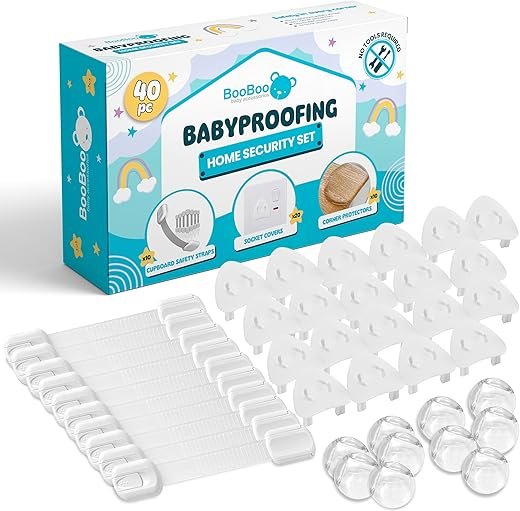
– Booboo 40-Piece Child Safety kit was a good shout — we used magnetic locks on lower kitchen cupboards which saved us from a few panics
Would love if the article had a tiny checklist for ‘what to measure at home’ before buying. Also, anyone compared the VTech 2-in-1 to the Move2Play in terms of electronic toys vs wooden Montessori-style play?
Secondhand is the way to go for short-term use. Clean thoroughly, check screws and straps, and you’re good.
Thanks everyone — saved the checklist idea in my notes. Also: sellers on Facebook Marketplace often list gently used ones — snagged a wooden push cart for £15!
Agree about measuring — our doorway weirdness meant a large walker was unusable in the living room.
Also worth checking toy warranties and whether replacement parts (like activity panels) are available — sometimes cheaper models are throwaway if a button breaks.
Not a fan of walkers in general. The safety section was the best part of the article for me. UK bodies are pretty clear about the risks, and some walkers (even the Foldable Anti-Rollover ones) still feel risky if parents aren’t watching closely.
Also, minor gripe — Amazon listings sometimes oversell features. Do your homework, people. The Booboo kit is worth having regardless, though.
Yeah, seeing videos of babies slipping down stairs is enough to put me off. We went with push toys instead.
Totally agree, Tom. We tried to emphasise that no walker is risk-free and the NHS/RoSPA guidance should be followed. Thanks for calling out oversold Amazon claims — buyers should always check specs and returns policy.
Quick question — how do you tell if a baby is developmentally ready without overthinking it? My cousin keeps asking if her 8-month-old is ‘ready’ and she’s getting pressure from grandparents to buy the Move2Play centre.
The article mentioned looking for steady sitting/standing and weight-bearing in legs, but any short checklist would help — especially for UK parents who might be nervous about ignoring family advice. Also: are Montessori activity centres generally safer than ring-type walkers?
Great question Sophie. Short checklist: (1) Sits unaided, (2) Bears weight through feet when held upright, (3) Can push down with legs while supported, (4) Reaches for toys without losing balance. If in doubt, check with your health visitor or GP — UK health visitors are usually happy to advise.
Regarding Montessori centres vs ring walkers: generally the activity centres offer more upright play and less forward mobility, which can be safer, but always check stability and follow age/weight guidelines.
One more tip: watch how the baby uses it for a few minutes. If they tip it, lean excessively, or rely on it to ‘walk’ while their balance is shaky — hold off.
I gave the Move2Play to my cousin and it was fine — she used it more as a stationary activity centre than a walker. Less panic than the traditional ones.